
Professional Coloured Concrete Services in Canberra
Reliable Coloured Concrete Services in Canberra
If you’re sitting there thinking about your own driveway or that sad-looking patio out back, you’re probably wondering if coloured concrete actually holds up or if it’s just another case of style over substance. Fair question. The truth is, when it’s done properly—and that’s the key bit—coloured concrete will outlast most other decorative surfaces you’ll find at Bunnings on a Saturday morning. We’re talking decades of life, not just a few good years before it starts looking tired.
Whether you’re looking at your tired driveway in Forrest, planning a pool surround in Red Hill, or managing a commercial property in Fyshwick that needs serious kerb appeal, coloured concrete offers something special. It gives you design flexibility that standard grey concrete never could, with the proven durability that made concrete the most-used building material on earth. And when you factor in what it costs compared to natural stone or premium pavers, especially for larger areas, the numbers start making serious sense.
Let me walk you through what you actually need to know about coloured concrete in Canberra—not the sales pitch version, but the real story of how it works, what it costs, and whether it’s the right choice for your project.
What Actually Is Coloured Concrete?
Coloured concrete works for pretty much any application where you’d use standard concrete, but some spots make more sense than others. Driveways are the obvious one—it’s a massive visual impact for your property, and the durability makes sense when you’re parking cars on it every day. Patios and outdoor entertaining areas are another winner, especially around pools where you want something that looks good but won’t get slippery or fade from chlorine and sun exposure.
For commercial properties, coloured concrete shows up in car parks, pedestrian walkways, and building entries. It’s popular in retail areas because it defines spaces without needing separate materials, and it holds up to foot traffic better than most alternatives. We’ve done commercial projects in Civic and Fyshwick where the coloured concrete is still looking sharp years later, even with constant use.
Why Coloured Concrete Makes Sense in Canberra

The UV Factor Nobody Talks About
We’re at altitude, our air is clear, and we get more sunny days than most capital cities. That UV doesn’t just give you a sunburn at the footy—it fades and degrades materials over time. I’ve seen timber stains bleach out in two summers. Painted surfaces that looked brilliant in year one looking washed out by year three.
Quality coloured concrete with proper UV-stable pigments doesn’t have this problem. The colour isn’t sitting on top waiting to fade—it’s part of the concrete structure. Those iron oxide pigments we talked about earlier? They’re basically rust, and rust doesn’t fade in sunlight.
Clay Soils and What They Mean for Your Concrete
If you’ve gardened in Canberra, you know our soil. Heavy clay that turns to concrete when it’s dry and swells like a sponge when it rains. This reactive soil movement is murder on rigid surfaces. Pavers will heave and sink. Thin concrete slabs will crack. But here’s where experience matters: when you understand Canberra’s soil behavior, you prepare for it.
Proper coloured concrete installation here means getting the substrate right. We’re talking compacted road base, possibly reinforcement mesh or fiber, and control joints positioned to manage the inevitable soil movement.
The Maintenance Reality Check
One of the biggest selling points for coloured concrete in Canberra is what you don’t have to do. Compare it to the alternatives: timber decking needs oiling or staining every couple of years, pavers need re-sanding and weed management, natural stone might need sealing. Coloured concrete? Hose it off occasionally. Maybe a pressure wash once a year if you’re keen. Reseal it every few years to keep it looking sharp and protected. That’s about it.
For the high-end homeowners in Red Hill or Forrest, that low maintenance is gold. You’re not spending weekends maintaining your driveway when you could be at the markets or out at the lake.
Value That Actually Lasts
Coloured concrete delivers here because it’s visible, it lasts, and it ages well. A well-done coloured concrete driveway or patio adds genuine kerb appeal—the kind that makes people slow down when they’re driving past, or makes potential buyers actually excited during an inspection.
Compare that to cheap alternatives that look good for a year then start deteriorating. Or expensive alternatives like natural stone that might cost twice as much for the same coverage. Coloured concrete sits in that sweet spot where you’re getting premium aesthetics, proven durability, and reasonable cost all at once.
The Installation Process: What Actually Happens
• Site Preparation – Proper prep is the foundation of lasting coloured concrete. We strip organic material, compact layers of road base, manage Canberra’s clay soils, and ensure correct falls for drainage to prevent cracks and water pooling.
• Formwork & Reinforcement – Timber or metal formwork sets the shape, while steel mesh or fibre additives give strength. Control joints are planned to manage inevitable cracks neatly and invisibly.
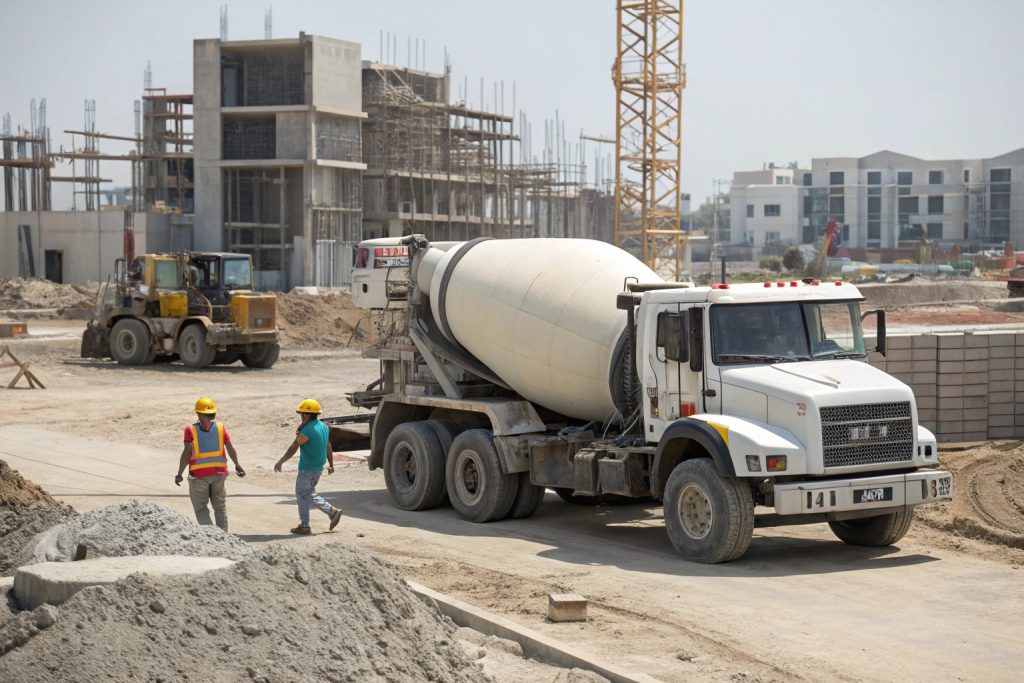
• Mixing & Pouring – Concrete arrives pre-coloured, then placed evenly and carefully consolidated. Weather and temperature are monitored closely to avoid curing issues common in Canberra’s climate.
• Finishing Techniques – Options include trowel or broom finishes for traction, exposed aggregate for texture, or stamping/stencilling for premium stone- or brick-like looks.
• Curing & Protection – Concrete is kept moist to strengthen properly. Rushing this step leads to weak or blotchy surfaces. Walking is safe after 7 days, heavy use after full curing.
• Sealing – Applied after curing, sealers enhance colour, protect against stains and UV, and extend surface life. Resealing every few years keeps concrete looking and performing at its best.
Types of Coloured Concrete Applications

Driveways That Impress
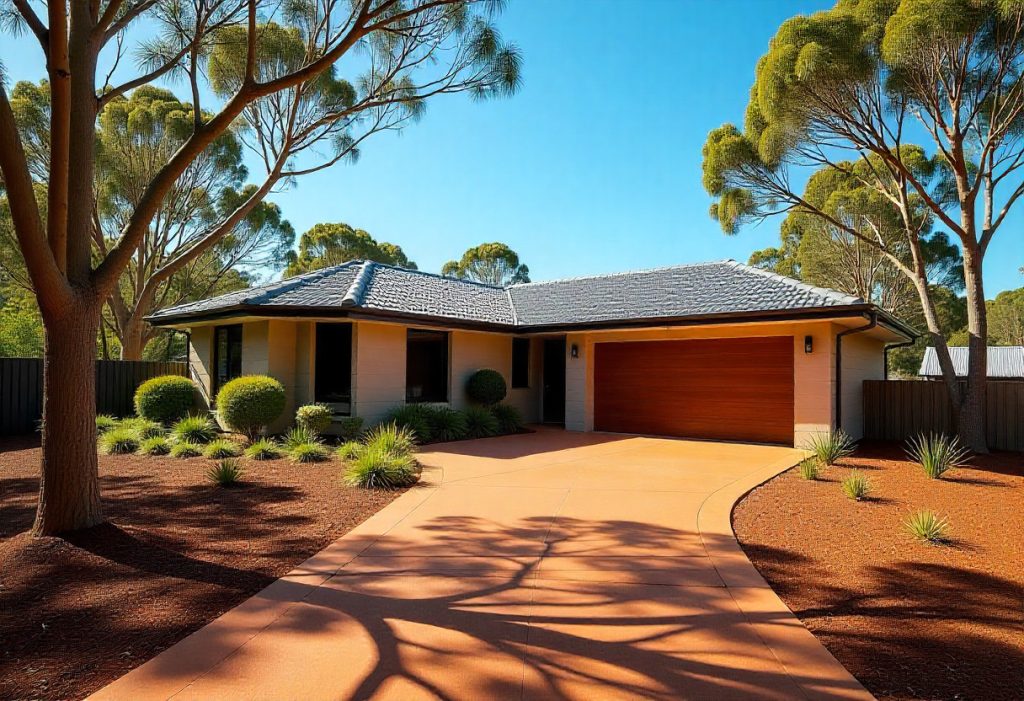
A stylish upgrade from plain grey, coloured driveways create instant curb appeal and handle Canberra’s soil movement without sinking or cracking like pavers. Popular tones include sandstone, tan, charcoal, and slate for modern homes.

Patios & Entertaining Areas
Turn basic slabs into outdoor features with flexible design options. Multiple colours, zones, or finishes (like exposed aggregate or broom finishes) make patios functional, slip-resistant, and perfectly matched to your lifestyle.
Pool Surrounds & Wet Zones
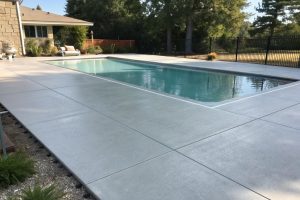
Designed to handle water, chlorine, and UV exposure, coloured concrete pool decks stay cooler in lighter shades and provide safe, slip-resistant textures. Ideal for both family pools and high-end installations.
Walkways & Pathways
Enhance landscaping or guide foot traffic in commercial spaces. Coloured paths resist shifting and rutting, unlike gravel or timber, and add a design element that ties outdoor areas together.
Commercial & Industrial Flooring
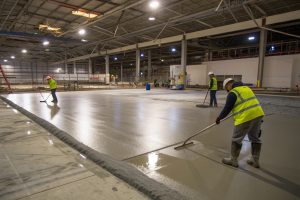
In car parks, warehouses, and retail entries, coloured concrete adds strength, longevity, and professional appeal. Colours also define zones for safety and wayfinding, reducing confusion in busy spaces.
Public Spaces & Community Projects
Parks, playgrounds, and council footpaths benefit from coloured concrete’s toughness and low maintenance. Bright tones help with safety and visibility, while natural earth colours blend seamlessly into landscaped environments.
Maintenance and Care
• Low upkeep: Just sweeping, hosing, and resealing every 2–4 years.
• Seasonal care: Hose in summer/spring, sweep in winter, clear leaves in autumn.
• Common issues: Hairline cracks are normal, bigger cracks need repair, stains are usually easy to remove.
• Colour & fading: Minimal with quality pigments; sealing keeps colours vibrant.
• Sealing: Essential for long-term protection; choose penetrating or topical sealers depending on use.
• Pressure washing: Effective if done carefully; professionals recommended for deep cleaning.
Choosing the Right Contractor in Canberra

Experience & Local Knowledge
Not all concrete contractors understand Canberra’s unique challenges. Local clay soils, temperature swings, and council requirements for drainage and environmental protection can make or break a project. Ask how long a contractor has worked in Canberra specifically and request examples of projects in your suburb. Local experience also helps with sourcing reliable suppliers, navigating permits, and ensuring smoother projects with fewer delays.

Licenses, Insurance & Guarantees
Always verify that contractors hold proper licenses and insurance. Public liability protects you if something goes wrong; workers compensation covers their employees. Legitimate contractors will provide documentation without hesitation. Additionally, check their warranties—most reputable contractors offer at least a 12-month workmanship guarantee. Ensure all promises are in writing to avoid future disputes.

Portfolio, Communication & Quotes
Quality concrete shows in colour consistency, clean edges, and proper finishing. References reveal reliability and professionalism. Pay attention to communication: prompt responses, detailed quotes, and clear explanations of timelines and materials are essential. Ask questions about project duration, payment schedules, site protection, curing times, and warranty handling. For commercial work, ensure the contractor understands ACT regulations, safety, and minimizing disruption.
FAQs About Coloured Concrete
The colour itself, if quality pigments are used, remains stable throughout that lifespan. You might notice subtle mellowing as the surface wears microscopically over decades, but dramatic fading or colour loss indicates poor installation or materials. The concrete structure and the colour are essentially one thing when you use integral colour, so they age together rather than the colour being a coating that can wear off separately.
Quality coloured concrete using iron oxide pigments doesn’t fade significantly from UV exposure. These pigments are mineral-based and incredibly stable in sunlight—they’re basically the same compounds that give rocks and soils their natural colours. What can happen is the sealer breaking down from UV exposure, which makes the colour appear duller because the surface isn’t as smooth and light-reflective. Maintain your sealer properly, and colour stability isn’t a concern. Cheap pigments or surface-applied colour treatments can fade, which is why quality materials and proper installation matter.
You can’t change integral colour once it’s in the concrete—it’s mixed throughout the material. However, you can apply concrete stains or dyes to change or enhance the surface colour. This is more of an overlay approach and won’t have the same durability as integral colour. If you’re thinking you might want to change colours down the track, maybe reconsider your colour choice now. Pick something you’ll still like in 10-20 years, not just what’s trendy today. Earth tones and neutral colours tend to age better than bold or unusual colours that might feel dated eventually.
I start the watering process as soon as the surface is firm enough that water won’t leave marks – usually 4-8 hours after pouring, depending on our weather. During those scorching Canberra summer days when it hits 40 degrees, I might start even sooner. The key is keeping the surface damp without washing away the cream that’s formed on top.
Yes, all concrete can crack—it’s part of how the material behaves. That’s why we install control joints, which are deliberate weak points that control where cracks appear. Properly installed coloured concrete with adequate reinforcement and good base preparation cracks much less than poorly installed concrete. When cracks do appear, they usually follow control joints where they’re less visible and don’t affect structural integrity. Wide cracks or heaving indicates problems with installation or extreme soil movement. Hairline surface crazing is cosmetic and doesn’t typically worsen over time. The colour doesn’t make concrete more or less prone to cracking—installation quality and site conditions are what matter.
You can walk on coloured concrete after about 7 days, though we prefer you wait longer if possible. For driving on it—driveways or car parks—wait at least 14 days, ideally longer. The concrete continues gaining strength for weeks after it’s poured, and subjecting it to heavy loads too early can cause surface damage or cracking. We know everyone’s eager to use their new surface, but patience during the curing period pays off with better long-term performance. We’ll give you specific timelines based on your project, the time of year, and what the surface will be used for.
In our dry Canberra air, concrete that isn’t kept moist will cure poorly and end up weak and dusty. I’ve seen too many DIY jobs where homeowners didn’t understand that our low humidity means concrete needs extra moisture. The surface ends up chalky and weak, and you might even see surface cracking within a few months.

