Professional House Slab Construction Services in Canberra
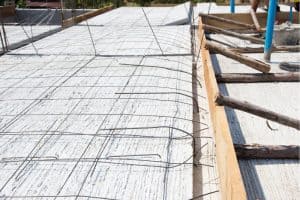
A house slab forms the concrete foundation your entire home rests. In Canberra’s climate, with extreme temperature swings and reactive clay soils, getting this right matters. Ace Concreting Canberra specialises in all types of concrete slab foundations—waffle pod slabs, conventional reinforced slabs, and stiffened raft slabs designed for local conditions. We’re licensed, insured, and we deliver solid foundations that last decades, not just years.
House Slab Experts Near Me – Serving All Canberra Regions
Our expertise covers every soil type and terrain across the capital region—from the reactive clays in Gungahlin to the sloping blocks in Red Hill and Yarralumla. We understand North Canberra’s newer estates, South Canberra’s established suburbs, and the unique challenges of Molonglo Valley developments. Whether you’re building in Belconnen, Woden, or Weston Creek, we bring site-specific knowledge that only comes from extensive local work. We also service rural properties within 50km of the CBD.
Concrete Driveway Design Options
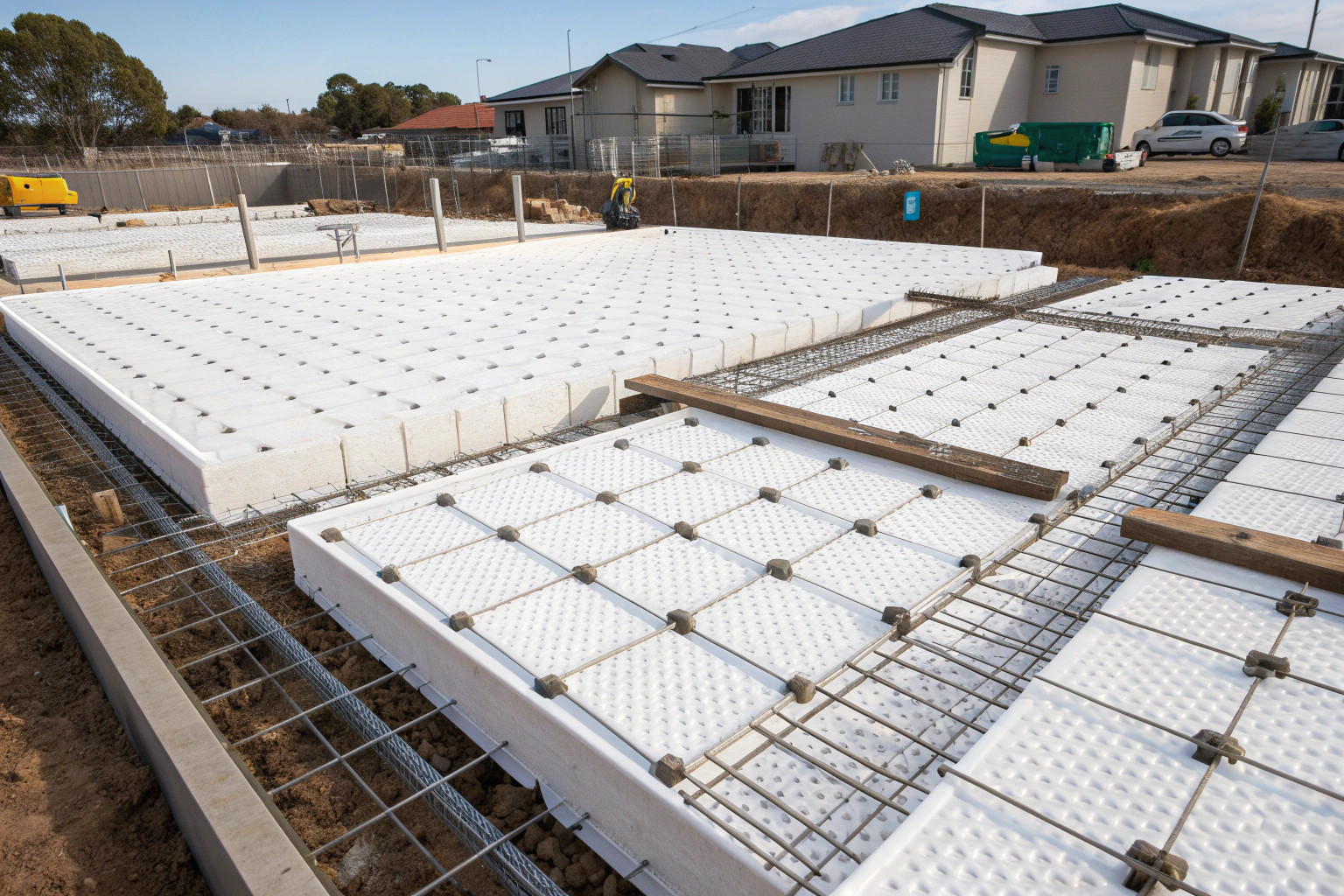
Waffle Pod Slabs
These slabs use a grid of polystyrene pods underneath to create void spaces. The design reduces concrete volume while maintaining strength. Waffle pod slabs work particularly well in Canberra because they handle ground movement better than solid slabs. When clay soils expand and contract with moisture changes, the voids give the slab room to move without cracking.
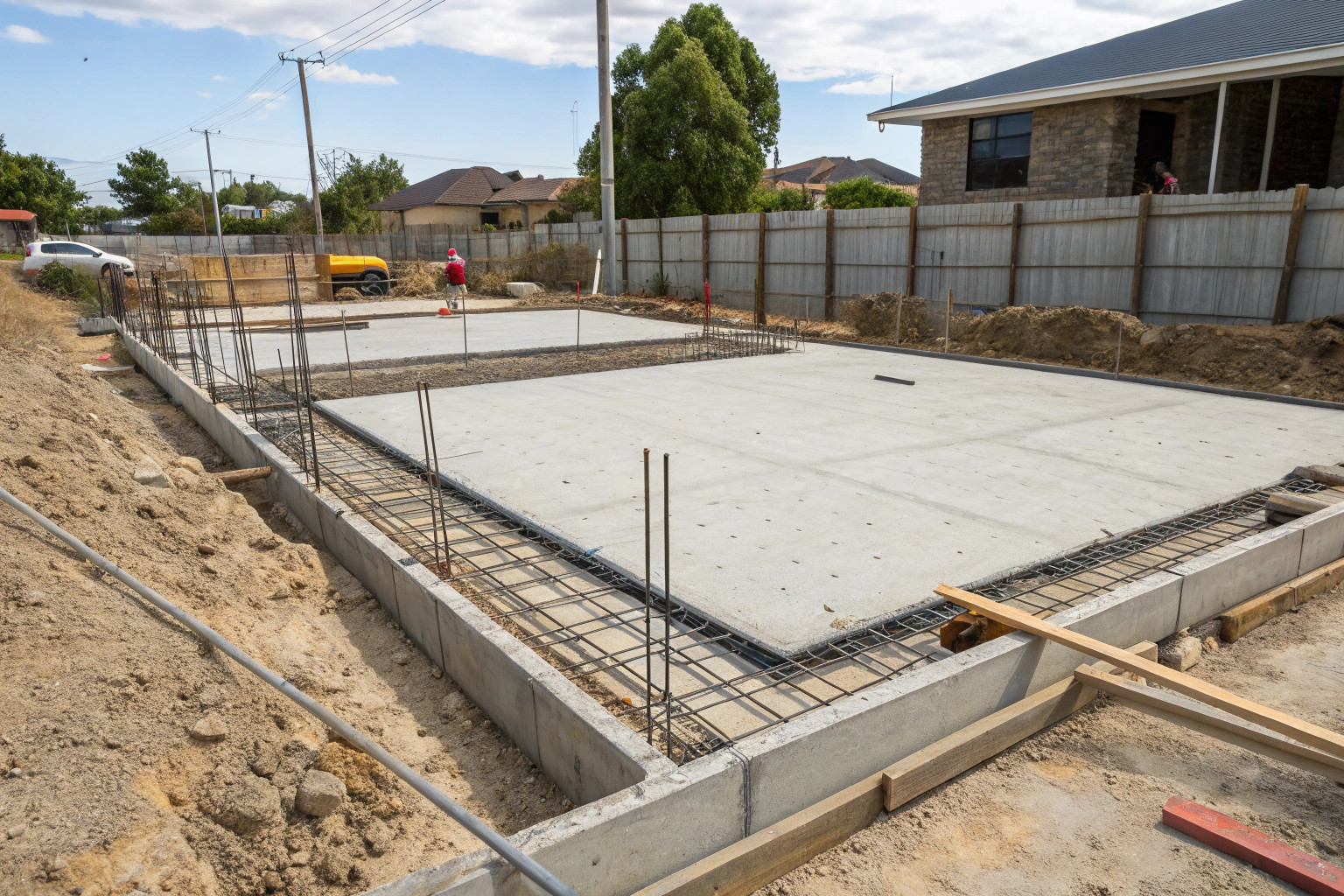
Conventional Reinforced Slab
A conventional slab is a solid concrete pad with steel reinforcement throughout. We pour these at a uniform thickness, typically between 100 and 150mm, depending on soil conditions and engineering requirements. These slabs are suitable for stable ground and smaller residential buildings.
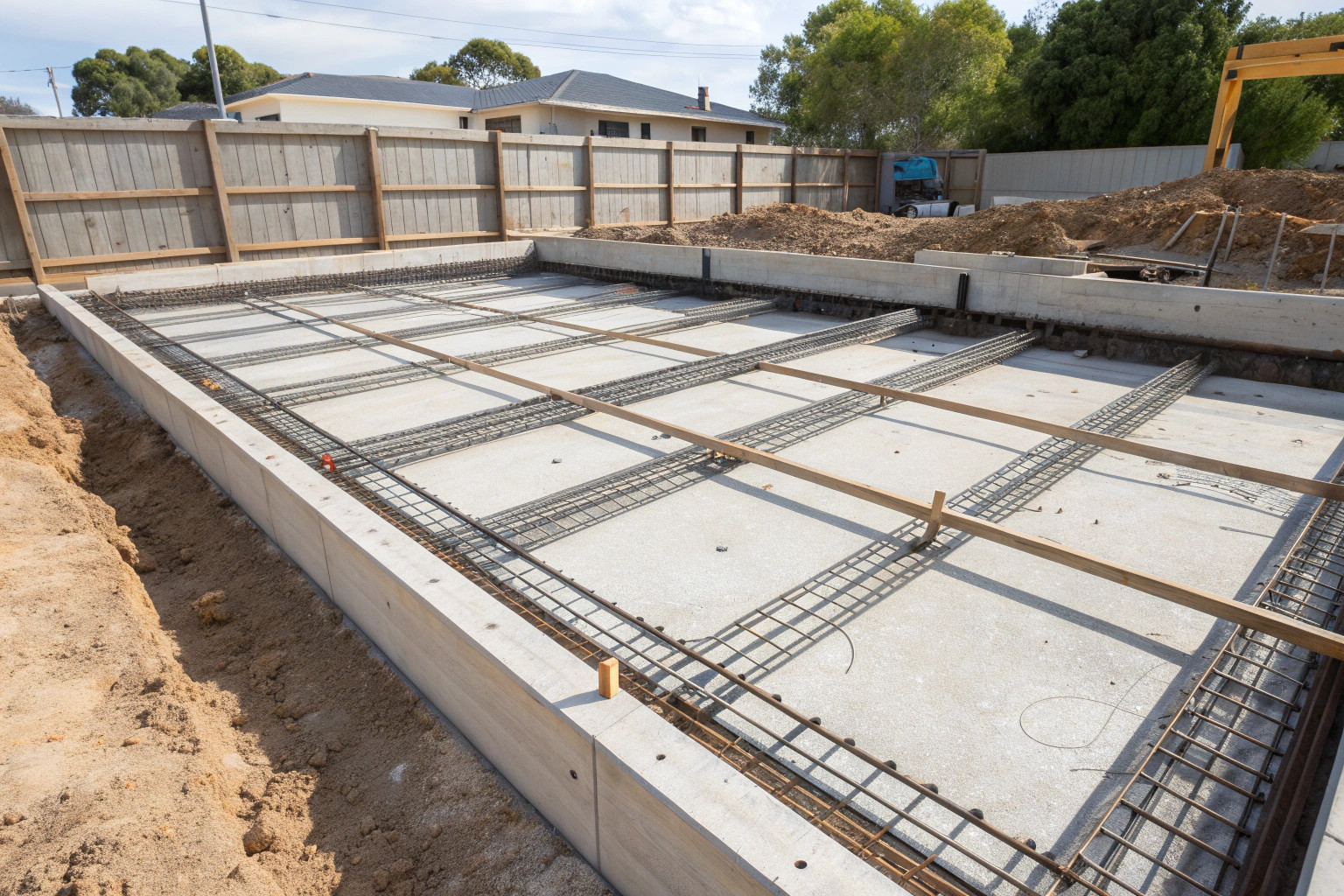
Stiffened Raft Slabs
Raft slabs include integrated concrete beams that add extra strength. The beams run in a grid pattern under the main slab, creating a reinforced structure that can span weak soils. For Canberra’s reactive clay, this design provides extra protection against movement and settling.
Soil Compatibility
Canberra sits on expansive clay soils that move with the moisture content. When these soils get wet, they swell. When they dry out, they shrink. This movement puts stress on any foundation.
A properly engineered house slab accounts for this movement. We use soil tests to determine reactivity levels, then design the slab with appropriate reinforcement and thickness. For highly reactive sites, we recommend waffle pod or raft slab designs that handle movement without cracking.
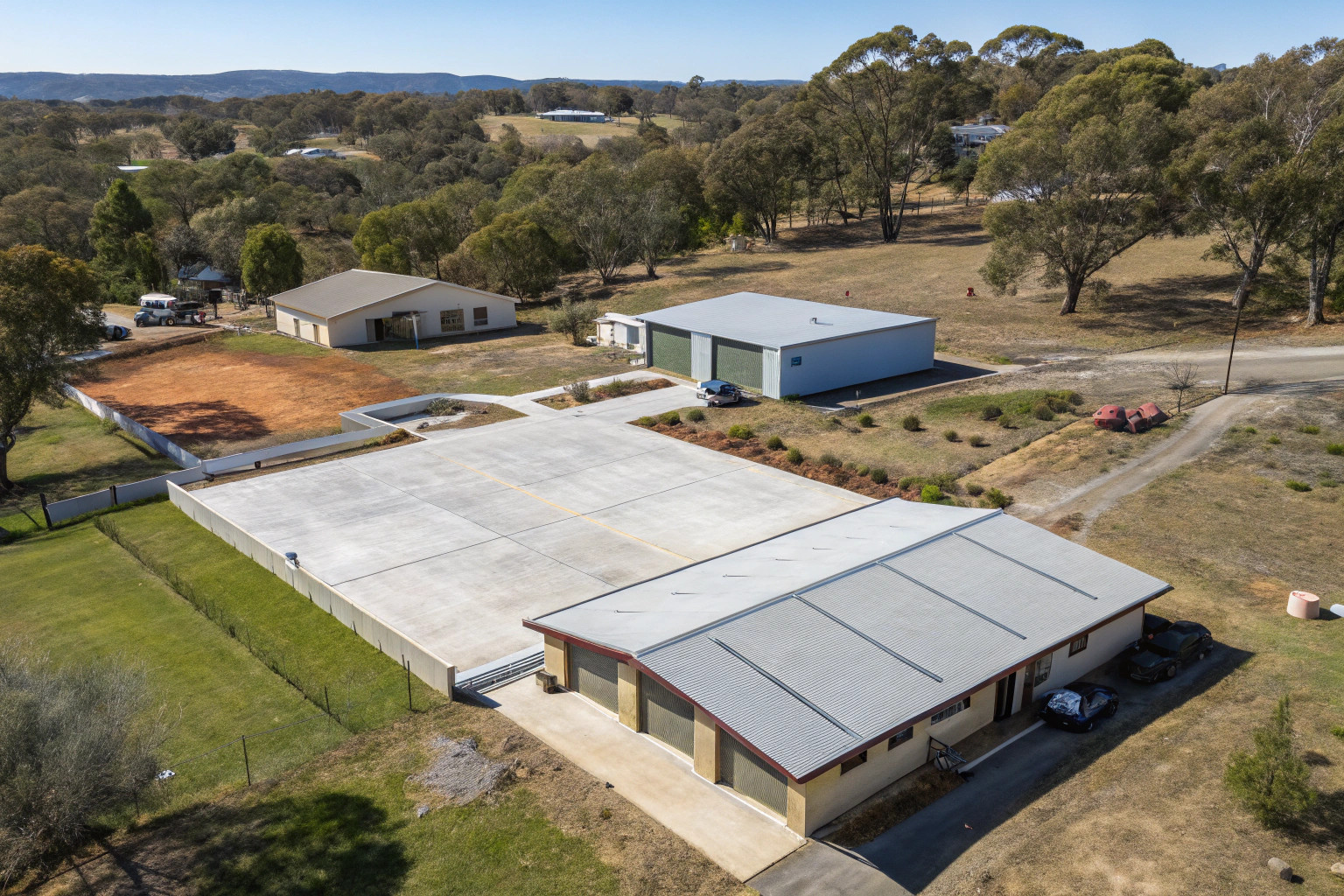
Our House Slab Construction Process
We follow a systematic approach to every slab pour. Each step matters, and cutting corners at any stage leads to problems later.
Site Assessment and Preparation
We start with soil testing to determine clay reactivity and load-bearing capacity. The site gets cleared, levelled, and graded for proper drainage. All vegetation and unsuitable fill are removed before construction begins.
Formwork, Reinforcement and Pouring
Formwork goes up around the perimeter. Steel reinforcement gets positioned according to engineering specs. We pour concrete in one continuous session, eliminating weak joints. Vibrators remove air pockets for maximum strength.
Finishing and Curing Protection
Fresh concrete gets screeded level and finished to specifications. We apply curing compounds or protective sheeting to prevent rapid drying and surface cracks. The slab cures for a minimum of seven days before construction proceeds.
Climate Resistance
Concrete’s thermal mass helps regulate indoor temperatures. During Canberra’s hot summers, the slab absorbs heat during the day and releases it slowly at night. In winter, it does the opposite—storing warmth and keeping floors comfortable. This natural temperature regulation cuts heating and cooling costs year-round.
The slab also sits below frost level, protecting it from freeze-thaw damage that can crack other foundation types. We design every slab to meet Canberra’s specific frost protection requirements.


Quality Materials and Proven Techniques
We use high-grade concrete that meets Australian Standards AS 1379. Our reinforcement steel is certified and tested for strength. Every pour uses professional-grade equipment—laser levels for accurate grading, power screeds for flat surfaces, and concrete vibrators to eliminate voids. We work with qualified structural engineers who design each slab for specific site conditions. Local suppliers provide materials quickly, keeping your project on schedule. Quality materials and proper techniques mean foundations that perform reliably for decades.
Canberra Building Codes and Compliance Standards
Every house slab we pour meets Australian Standards and ACT building regulations. All slabs require engineering design, particularly for Canberra’s reactive clay soils. We work with qualified structural engineers who specify concrete strength, reinforcement details, slab thickness, and footing depths for each site. Canberra’s winters demand footings below frost level—typically 300mm or deeper—to prevent ground movement from lifting and cracking slabs. Proper drainage grading directs water away from foundations. We submit all engineering plans for building approval and pour exactly to specifications. No variations, no shortcuts, just compliant construction.
Frequently Asked Questions
Most residential slabs in Canberra range from 100-150mm thick, depending on soil conditions and engineering requirements. Reactive clay sites often need thicker slabs or integrated beams for extra strength. Soil testing determines the exact thickness your site needs.
Waffle pod slabs use polystyrene pods underneath to create void spaces, reducing concrete volume while maintaining strength. They handle ground movement better than solid slabs. Conventional slabs are solid concrete pads throughout. Waffle pods work better for Canberra’s reactive clay soils.
Site preparation takes 3-5 days. Formwork and reinforcement installation takes another 2-3 days. The actual concrete pour happens in one day. Then the slab needs a minimum of seven days of curing time before construction can proceed. The total timeline is typically 2-3 weeks.
Absolutely. Soil testing determines clay reactivity and load-bearing capacity. This information is required for engineering design and building approval. Without proper soil data, you can’t design a slab that’ll handle your site’s specific conditions.
Common causes include poor soil preparation, inadequate reinforcement, rapid drying during curing, settlement from reactive clay soils, or insufficient footing depth. Proper engineering design and construction techniques prevent most cracking issues.
Get Your Free House Slab Quote Today
Your home deserves a foundation built right. Ace Concreting Canberra delivers quality house slabs designed for local conditions and engineered to last. We handle everything from soil testing and engineering through to the final pour and curing.
Ready to start your building project? Contact us for a free, no-obligation site assessment and detailed quote. We’ll visit your property, discuss your specific requirements, and provide a comprehensive price that covers all aspects of your house slab construction.
Services

Our Global Worldwide Partners
– Concrete Bundaberg